What is a Cremation Container?
California State requires that the deceased is placed in box or container during cremation. Our standard box is made from recycled corrugated board. Any of our caskets can be used as an alternative cremation container.
How is Cremation beneficial for the environment?
In comparison to traditional burial in cemeteries, flame cremation avoids the permanent occupation of land for cemeteries that could be used for wildlife habitat, growing food, or housing people.
LifeSource works with a company that plants trees to offset the emissions for every cremation we perform.
What happens to medical devices and implants?
Medical implants with batteries are removed before for the safety of the crematory operators. Otherwise, they get separated before the skeletal remains are reduced.
Can people attend my cremation?
Yes, this is called a witness cremation. Friends and family members can be present and observe your cremation. This is a popular choice for those who want to say their final goodbyes.
Can I have a traditional funeral service and still be cremated?
Absolutely. You may choose to have a traditional casketed funeral service or hold a memorial ceremony with your remains afterward. You do what feels right.
What can I do with cremated remains?
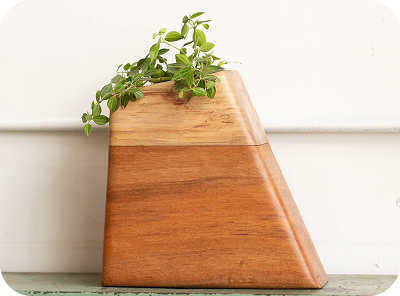
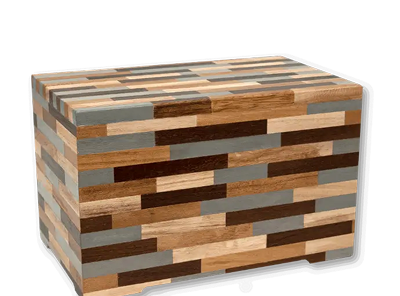
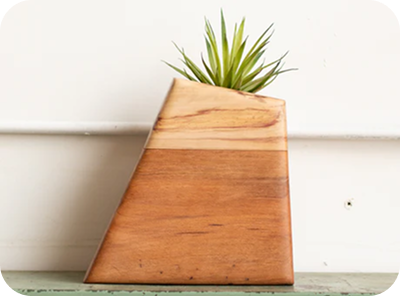
Traditionally, remains are stored in an urn or permanent container in a home or a designated area of a cemetery, called a “niche” where family members can visit. Others choose to scatter remains in a meaningful location, on land or at sea.
LifeSource offers a variety of unique and meaningful options that heal our planet and pay it forward to future generations. We partner with non-profits, like Better Place Forest, that manage memorial forests across the United States and offer the opportunity to have your remains mixed with native soil and scattered at the base of your personal tree. The closest Better Place Memorial Forest to Los Angeles is in Lake Arrowhead, in the San Bernardino National Forest.